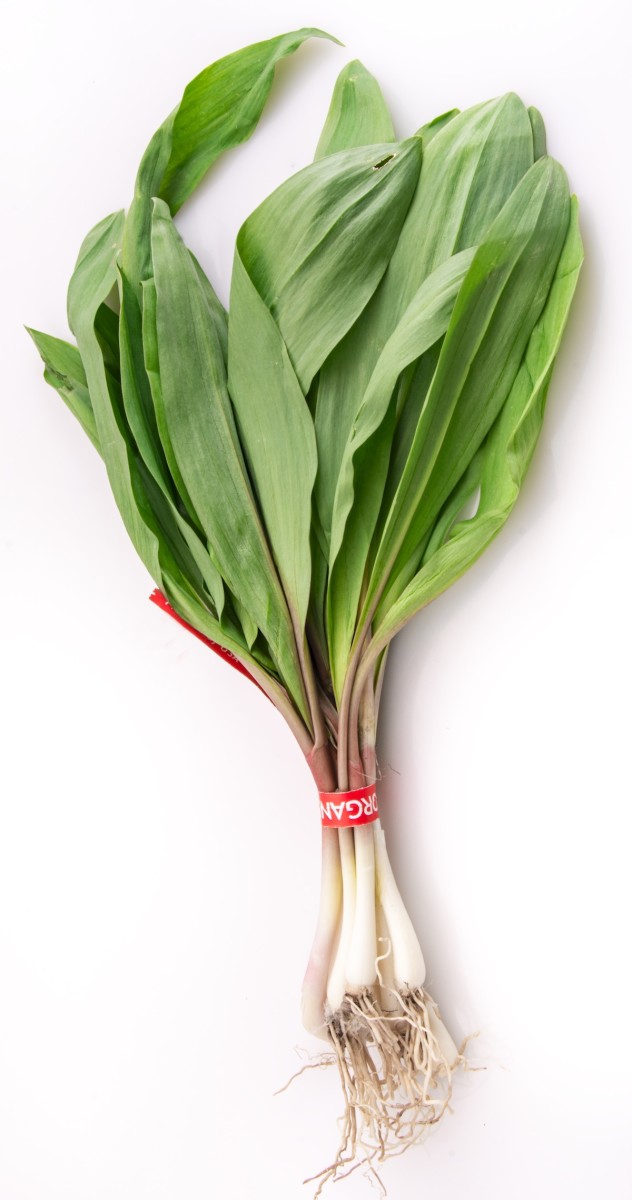
Also called Wild Leeks. This bulb-forming perennial is a spring ephemeral. Their rapid rise as the darling of top chefs has led to overharvesting. Now considered a species of “special concern” for conservation in Maine and other states; in Québec commercial harvesting is banned. With patience and care you can sustainably grow and harvest your own woodland crop. Delectable pungent flavor, a mix of garlic and onion, is true wildwood fare—worth the long wait. Not a good germinator, often with latent dormancy; expect less than 50%. ② Family-owned companies or cooperatives, domestic and foreign Culture: Ramps are a native perennial of deciduous forests, growing best in cool shady areas with damp rich soil high in organic matter and calcium. An open-field setting is probably too dry and exposed for good germination, and the plants do not have a long life in artificial shade. Because this is a wild plant, seed planted in the spring will germinate that spring if conditions are right; if not, it may germinate the next spring. Mark your patches well and provide protection from predation. Once a bulb is formed, the new leaves emerge in early spring, before the tree canopy develops; by late spring leaves die back and a flower stalk emerges. Photosynthetic period and the harvest window is limited to these few weeks. Once established, ramps grow in close communities, strongly rooted just beneath the soil surface. Harvest carefully with a sharp knife, cutting plants just above the roots. Disturb roots as little as possible.
10 days
View on Fedco →